How best to fill in the anxious days awaiting the arrival of
“the copy edit”?
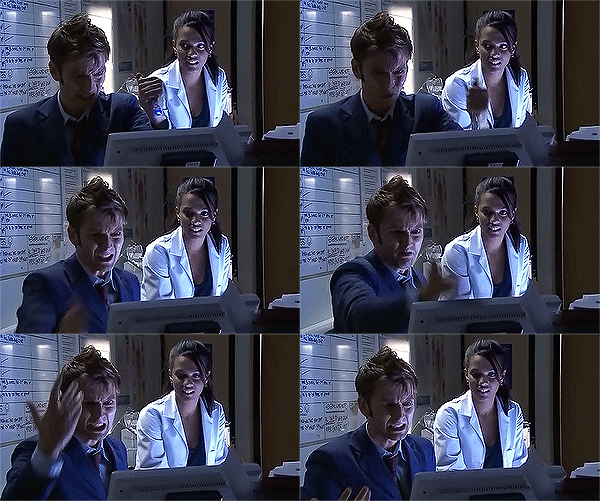 |
| (And we all know how much fun copy edits and track changes are!) |
It’s been a while since I saw the book but the arrival of a
cover concept a couple of days ago has whetted the appetite. (No, sadly cannot share but suffice to say I was VERY EXCITED.)
Clever PsyOps publisher, well played, sir, well played.
So, what to do …. well, I’ve decided to pull out this and
have a re-read

It’s the original notebook stuffed with ideas about plot and
characters, interviews with experts, bits of dialogue, scenes, scraps of news
of the era, my original scribble-it-down space.
Just what were my original thoughts, plans, goals,
ambitions, obsessions?
It’s always interesting to see what sparked the idea of the
book. And at this stage, years and drafts down the track, to see what is still
there, what was deliberately abandoned and, more interestingly, what might have
got lost along the way as you battled to shape those ideas into something
approaching a story and got side-tracked.
It’s like clearing up the desk, unearthing that long lost note you wrote to yourself from the past about where you
planned to go, and then checking to see how close you are to that originally
imagined destination.
I'm a fan of the notebook, so I’ve also pulled out the one I've been using for the next book, already
groaning with the same flotsam and jetsam and bits of story, and already
knowing what ideas are not going to work, and what ideas will replace them, and what I discover as I work again on this book.
In between the structural edit and the approaching copy edit
I have been occupying myself with writing some shorter pieces in various places and in different forms.
Thanks to Chip Rolley at The Drum I’ve been writing occasional
pieces there on a variety of subjects, from what it means to carry a
weapon with the potential to kill

to an analysis of the whole JK
Rowling unmasked as a crime writer thing

to a review of the last episode
of Broadchurch
and why it hurt so much.

I’ve also been exploring the genre of crime fiction and some issues that have been disturbing me.
In Seizure magazine,
I looked at Raymond Chandler’s
call to arms The Simple Art of Murder and discussed whether the gritty end
of contemporary crime fiction really was answering that call.

The title of my
essay The Sadistic Art of Murder is a bit
of clue to my position.
At the request of Anne
Summers I developed the argument for Anne Summers Reports
in an essay Dial M for Misogyny.

The essay examines the seemingly unstoppable rise and rise of misogynistic crime fiction in which the
predominate role for women appears to be that of corpse.
I have also worked on conquering my continuing fear of short
stories in order to contribute a short story for an upcoming anthology The Great Unknown edited by Angela
Meyer for Spineless Wonders.

The collection is an Australian iteration of the classic TV series The Twilight Zone.
I know! How could I resist!
Last week I had the opportunity to read a short piece of fiction as part
of Penguin Plays Rough’s extended exhibition - Details Unknown - at the
Justice and Police Museum. You can read the short piece here, or listen to me read it.
And after I finish this copy edit the challenging of the
short story phobia continues with a couple of projects in the
wind that I can’t yet reveal.
So until the copy edit drops, I shall continue my journey of
re-discovery in the land of the notebooks, AND prepare for a quick jaunt to
Brisbane for GenreCon 2013

And I’m mega-excited to be on a panel with ChuckWendig.
If you have not read any of Chuck Wendig’s entries on his Terrible
Minds blog, well, all I can say is what a lot of goodness awaits you!
Why don't you start by reading this Prometheus: In which the gods of plot punish the characters for their precious agency – perhaps the clearest, funniest, smartest thing I’ve read about plot since ever.
See you on the other side of the copy edit – or in Brisbane.

